
There’s plenty of talk the last couple of years about Harley-Davidson. Most recently with the CEO Jochen Zeitz, stepping down, the internet has had plenty of posts and comments from those who want to weigh in on what H-D has done wrong. Disclaimer; I don’t have the answers.

I’m mostly writing this from my experience, and basic knowledge of being a Harley enthusiast and owner of many Harley-Davidsons. I’ve work in the motorcycle industry for over 16 years and have had my share of long conversations about the Motor Company and what appears to be, a business in decline. So here are some of my thoughts on the matter and since my phone isn’t ringing, apparently nobody is asking me.
Social media can be quite the venue for opinions and observations. I have spent more time than I really should reading comments from many fellow riders who feel passionate about what is going on behind the Motor Company’s shrinking dealer network, seemingly higher prices, aging core customer base and the reason H-D is where they are.
I sold new Harley-Davidson’s for 10 years and I admit, I like the brand and what it represents. At that time I felt that it truly was a lifestyle – at least that’s how I sold them. But honestly, I also believed it, and perhaps I still do. But motorcycles, regardless of the badge on the tank, is a lifestyle. The difference is the Motor Company took it all to another level. From the history of Harley-Davidson and their compelling story, to where they were assembled and how it all ends up at a major rally near you is fascinating. It was easy to get the potential buyer excited and sold on the dream. Whether the customer never went further than to a HOG meeting at their local dealership or decided to go coast to coast, the picture would get painted and all that was left to decide on was what accessories to add and get them to finance. The Customer Path was almost complete. Then came the casual clothing, leather riding gear, poker chips and all sorts of gifts and collectables. The Bar and Shield appeal is strong, and for many years this loyal customer was happy to be a part of a much larger association of riders.
I haven’t sold a brand new Harley since the fall of 2017 but I’m still in the powersports business. We do sell used Harley-Davidsons and have great success with it. In recent years, I’ve been somewhat surprised how values of used Harley’s have fallen. Just to be clear, the wholesale market on used inventory is fluid for all makes, but even I have been surprised with the low values and the plethora of used Harley’s for sale both in the market and at auction.
So I believe the answer to the question of why Harley-Davidson is struggling is in how you are answering this serious question: If you are in the market for a new motorcycle, are you considering a Harley? If not, then why? Are you aging out? Does Harley-Davidson not offer what you’re in the market for? Retail pricing of a new Harley? Dealer location? Politics? All of the above?
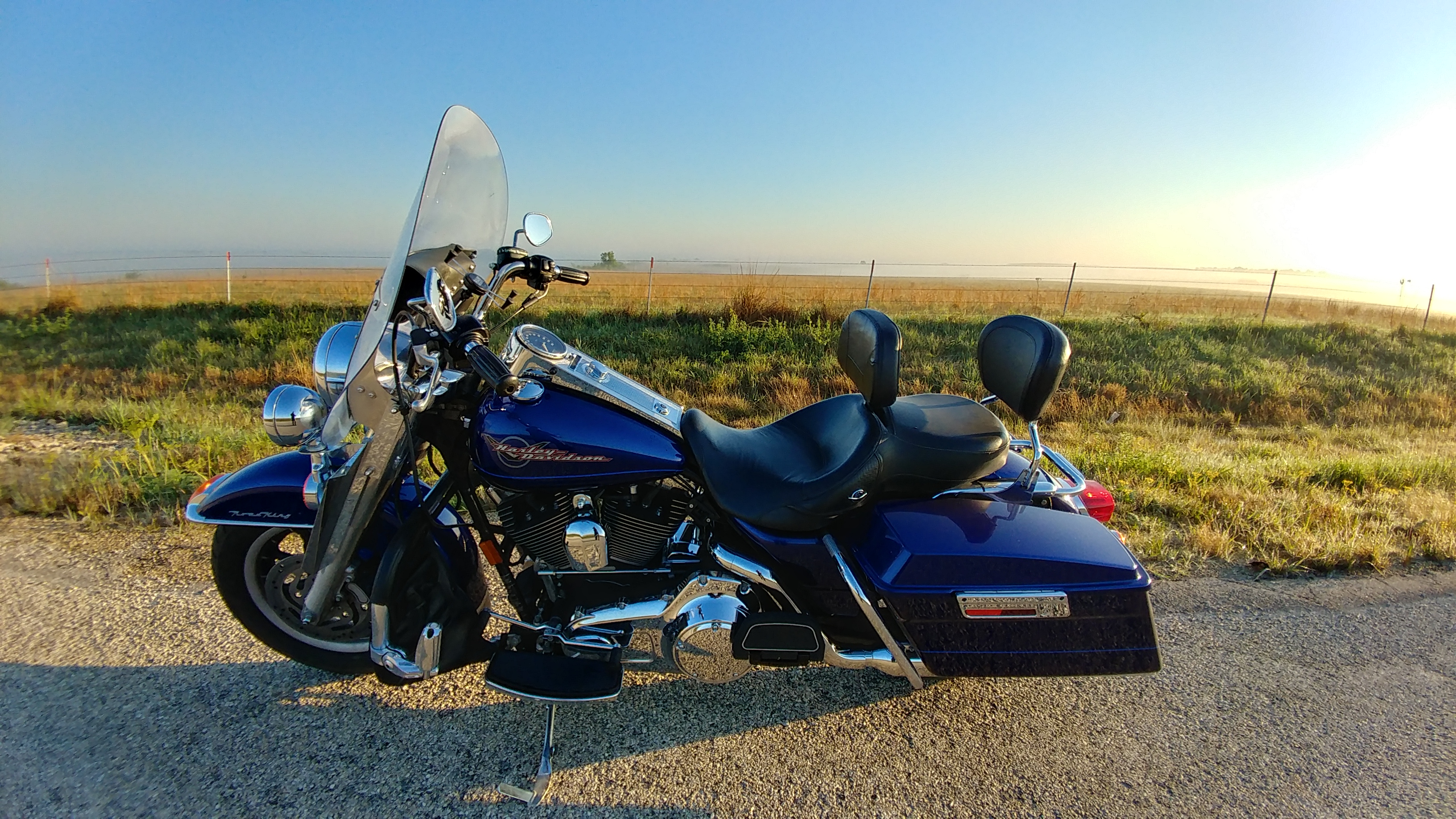
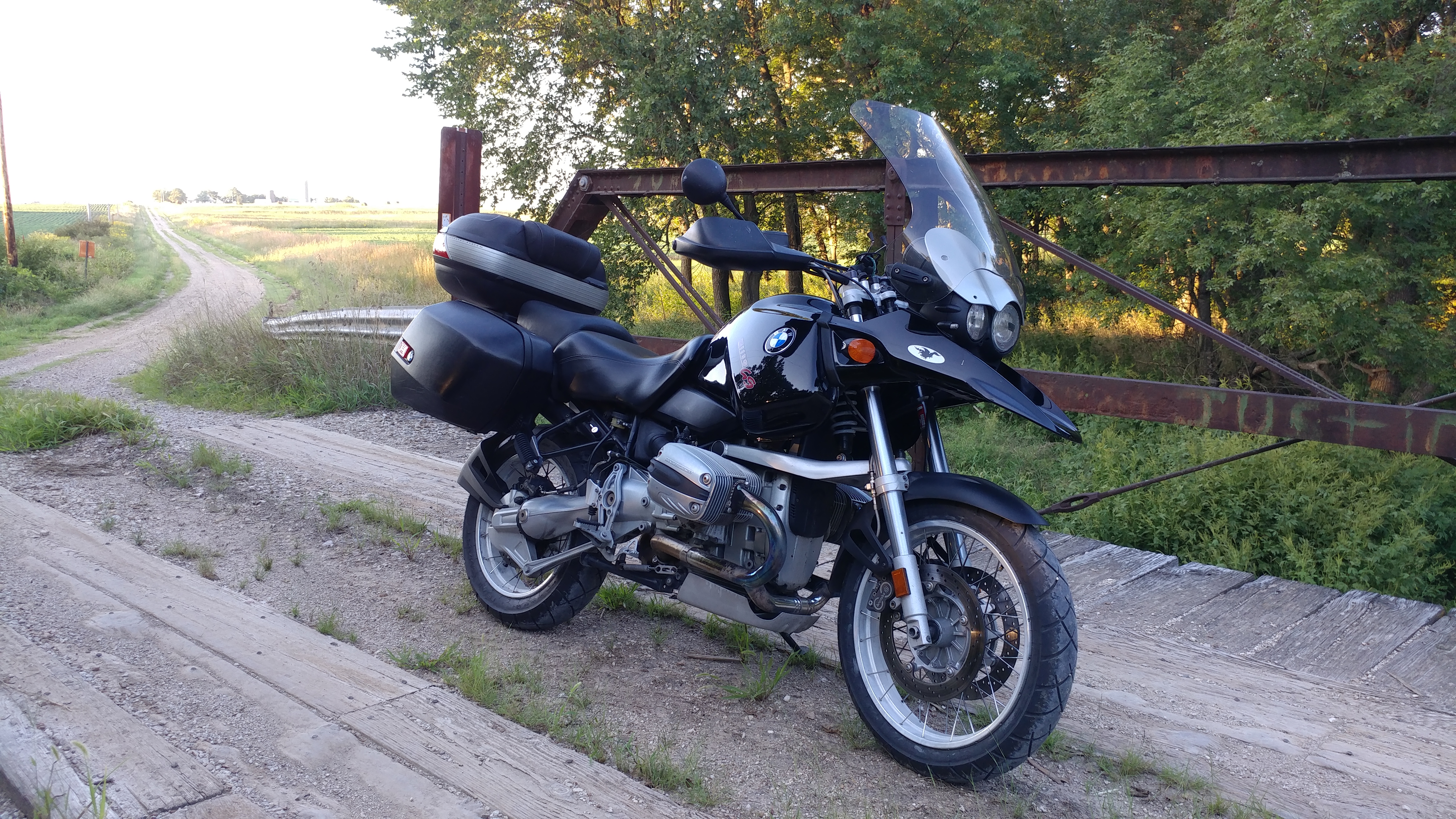
I’m a soon-to-be 63 year old average consumer/enthusiast and I can’t see myself not owning a motorcycle. I currently ride a 10 year old BMW F700GS and usually trade about every two years. The nearest BMW dealer to me is 145 miles away. The nearest H-D dealer is 65 miles. I also own a Harley-Davidson Low Rider but it’s not my daily. Retail pricing? I don’t see any reason to buy a new motorcycle of any brand as there are plenty of low-mileage used inventory available. Oh, and I’ve owned nine Harley-Davidsons (only one brand new), I work at a Kawasaki dealership, and have ridden to the largest motorcycle rally in South Dakota for 17 years. Hmm, maybe the problem isn’t Harley-Davidson.
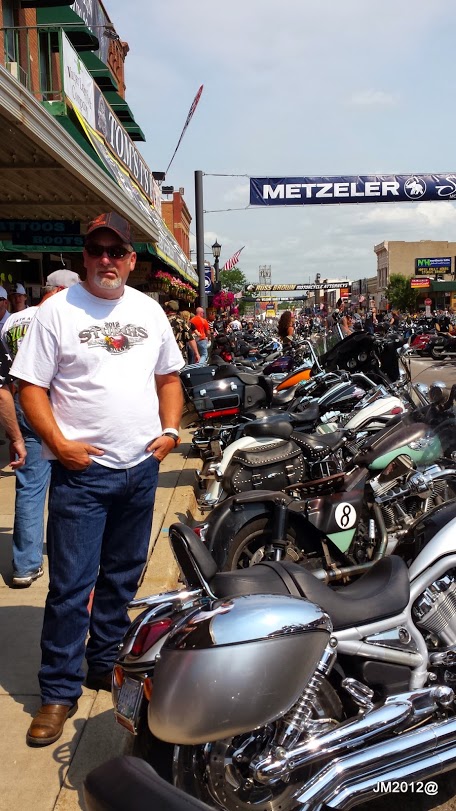
I believe all brands have the same issues. The big difference is most other brands offer something for the whole family. Youth dirt bikes and ATV’s, personal watercraft, side x sides for work and play, dual sports and street bikes. Poker chips? Not so much. Perhaps, Harley-Davidson should open the door for dealers to have the opportunity to be multi-line. Let dealers run their business how they see fit. If you want to remain exclusive H-D, so be it. But if a dealer can offer up solutions to an active family, build potential customers from an early age, fill the service department with more work and give their customers a chance to grow into a Harley-Davidson motorcycle, it might make a difference.

The Harley-Davidson lifestyle is just their version of the powersports lifestyle. There isn’t anything in the rule book of riding that says you can only own one brand at a time, and you must only ride on the street and in groups of more than five. We ride, we race, we raise a family and make friends out of strangers because of these damn things. Again, I don’t claim to have the answers. But I’ve seen those great customers fade into the lifestyle of recreational SxS’s, toy-haulers and grandkids and then come in for another motorcycle.
I believe Harley-Davidson has it’s place in this world. Maybe their vision has been clouded by the smoky burnouts, but with the right person behind the handlebars maybe there is hope. I’ll ask once more; If you’re in the market for a new motorcycle are you considering a new Harley-Davidson? And if not, why? The Motor Company might want to know.

 Jeff Maddox